Roof ventilation is one of the most important and most overlooked parts of your roofing system. At Valley Roofing, we make sure every roof has proper ventilation so it performs the way it should, protects your home, and lasts as long as possible. For homeowners in Salem and across the Willamette Valley, ventilation plays a major role in preventing moisture issues, reducing energy costs, and extending the life of your roof.
What Is Proper Roof Ventilation?
Proper roof ventilation is all about balanced airflow. A well-designed system allows fresh, cooler air to enter through intake vents, typically soffit vents at the roof’s edge, while hot, moist air exits through exhaust vents such as ridge vents near the roof peak. This creates a balanced attic ventilation system that keeps air moving through the attic space, preventing heat and moisture from becoming trapped.
Signs of Improper Ventilation
Many homeowners don’t realize they have a ventilation issue until it becomes a bigger problem. If you’re noticing any of these, it’s worth having your ventilation system checked. Common signs include:
Excessive heat in the attic
Moisture buildup or condensation
Mold or mildew in the attic space
Ice dams forming in winter
Higher-than-normal energy costs
Premature wear on roof shingles
Types of Roof Ventilation Systems
Every home is a little different, but most roof ventilation systems are built around a combination of intake and exhaust vents.
Soffit Vents (Intake Vents)
Located along the roof’s edge, soffit vents pull in cool, outside air into the attic. These are critical for creating proper airflow.
Ridge Vents (Primary Exhaust)
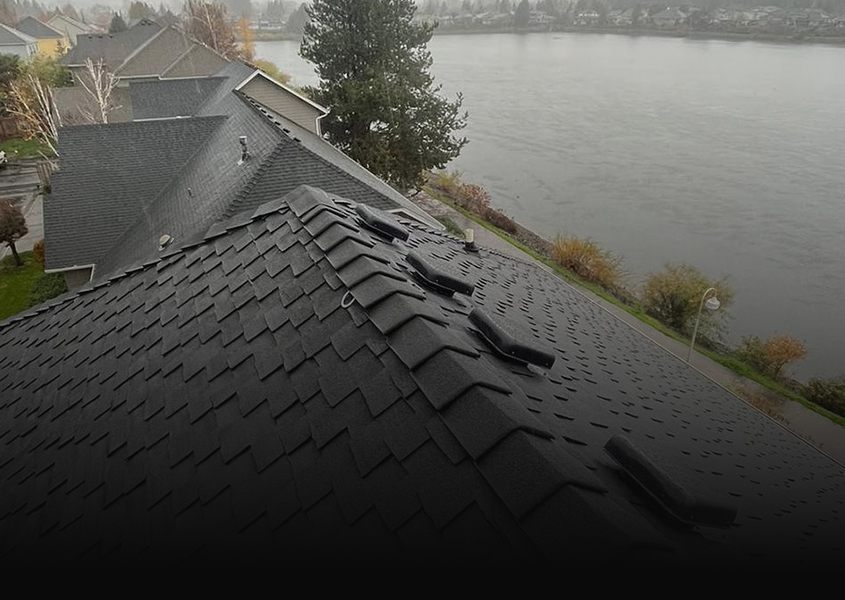
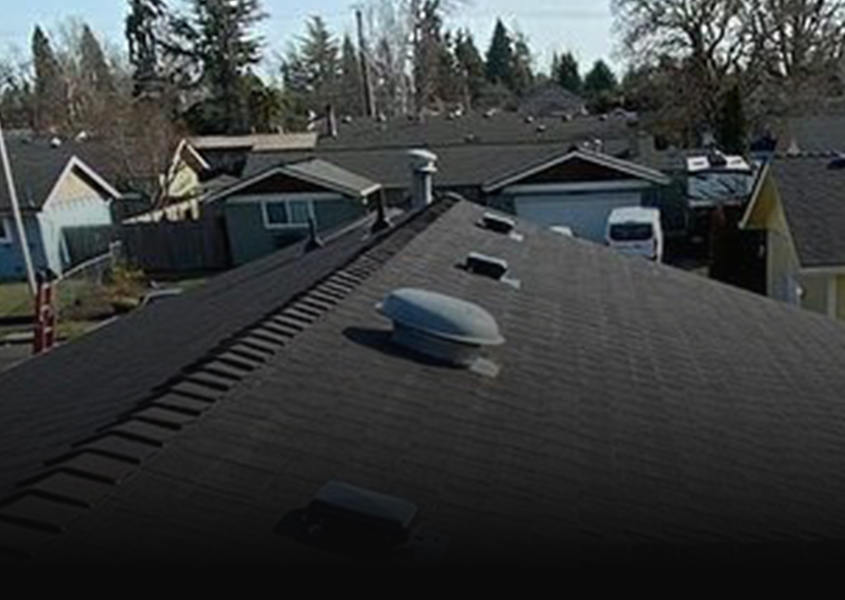
Installed along the roof ridge, ridge vents allow warm air and moist air to escape naturally. This is one of the most effective and common ventilation solutions.
Exhaust Vents & Gable Vents
Additional exhaust vents or gable vents may be used depending on the roof structure, attic layout, and airflow needs.
Attic Fans & Mechanical Ventilation
In some cases, attic fans or solar attic fans can help improve air movement, especially in homes with limited natural airflow.
FAQs About Roof Ventilation
What happens if my attic doesn’t have proper ventilation?
Poor attic ventilation can lead to heat and moisture buildup, which may cause mold, mildew, and wood rot over time. Trapped heat can also damage roof shingles, causing them to curl, crack, or lose granules, shortening the life of your roof.
What is a balanced attic ventilation system?
A balanced attic ventilation system means having the right amount of intake and exhaust vents working together. Fresh air enters through intake vents (like soffit vents), while hot, moist air exits through exhaust vents (like ridge vents), helping prevent moisture buildup and improving overall airflow.
What’s the difference between soffit vents and ridge vents?
Soffit vents are installed under the eaves and bring in cool, fresh air. Ridge vents run along the peak of the roof and allow hot air to escape naturally. Together, they create the airflow needed for proper attic ventilation.
Are gable vents or roof vents enough on their own?
Gable vents and static roof vents can help with airflow, but they don’t always create a fully balanced system on their own. In most cases, combining intake and exhaust ventilation, like soffit and ridge vents, provides more consistent and effective results.
Do attic fans help with ventilation?
Attic fans can improve airflow by pulling hot air out of the attic and reducing humidity levels. However, they work best when paired with proper intake vents to maintain balanced airflow, rather than being used as a standalone solution.